I circled the clock before I looked at a terminal
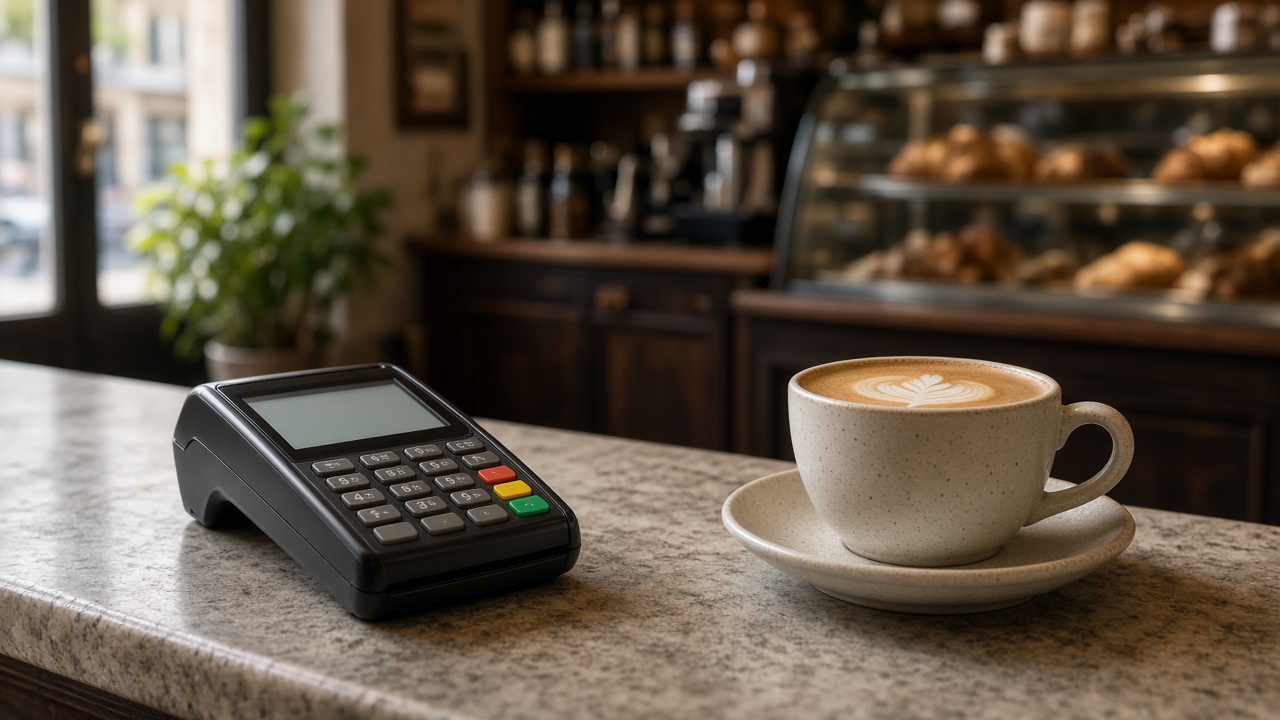
I circled the same line twice on 27 September 2026, halfway down the public myPOS pages, because the clock they advertise — three seconds from an authorised card to a merchant balance — is either the reason you bother or a party trick you do not need. I was not hunting a definition of an electronic money institution. I was trying to answer a stall question: if the last customer taps at four, is that money spendable before the van is packed, or is it still sitting in someone else's overnight pile? The plastic reader is the loud part of the pitch. The clock is the part that actually changes a Saturday.
What annoyed me, no, what I actually marked in the margin, was the phrase “business account” parked next to a licence that is not a credit institution. I — hang on — I keep writing “account” because the marketing does. The legal wrapper is e-money. That is not a wording quibble. It is a protection problem. If you needed a high-street current account with a deposit-guarantee sticker, you already know this page is the wrong shop window.
Dublin signed the paper. The plastic did not.
The EEA payments work sits with myPOS Limited, a private firm at 12 Stephen's Green, Dublin 2, company number 700880. On 16 September 2022 the Central Bank of Ireland put licence C475122 on that name under the European Communities (Electronic Money) Regulations 2011. The stamp covers issuing and redeeming e-money, moving funds on a balance that is not a credit line, and taking card sales. It does not turn the company into a lender of your float. It does not print the national guarantee badge you see on a Belgian, Dutch, or German credit-institution current account. Copy that says “business account” is talking about a wallet with numbers and plastic. If a supplier asks where you bank, say you hold e-money at a payment institution.
The origin story is older than the Irish file. The platform showed up at Mobile World Congress in 2014 as a way to hand merchants their card money immediately instead of parking it for days. Operations grew out of Varna. A London office followed in 2017. The firm now cites more than four hundred thousand merchants across more than thirty countries and a string of awards. Trophies do not replace the tariff or the safeguarding sentence. I reopened the public pages on 27 September 2026 and still did not find a deposit-insurance sticker. If a later press note claims one, call that unpublished until the regulator register says so.
The machine that does not borrow your phone
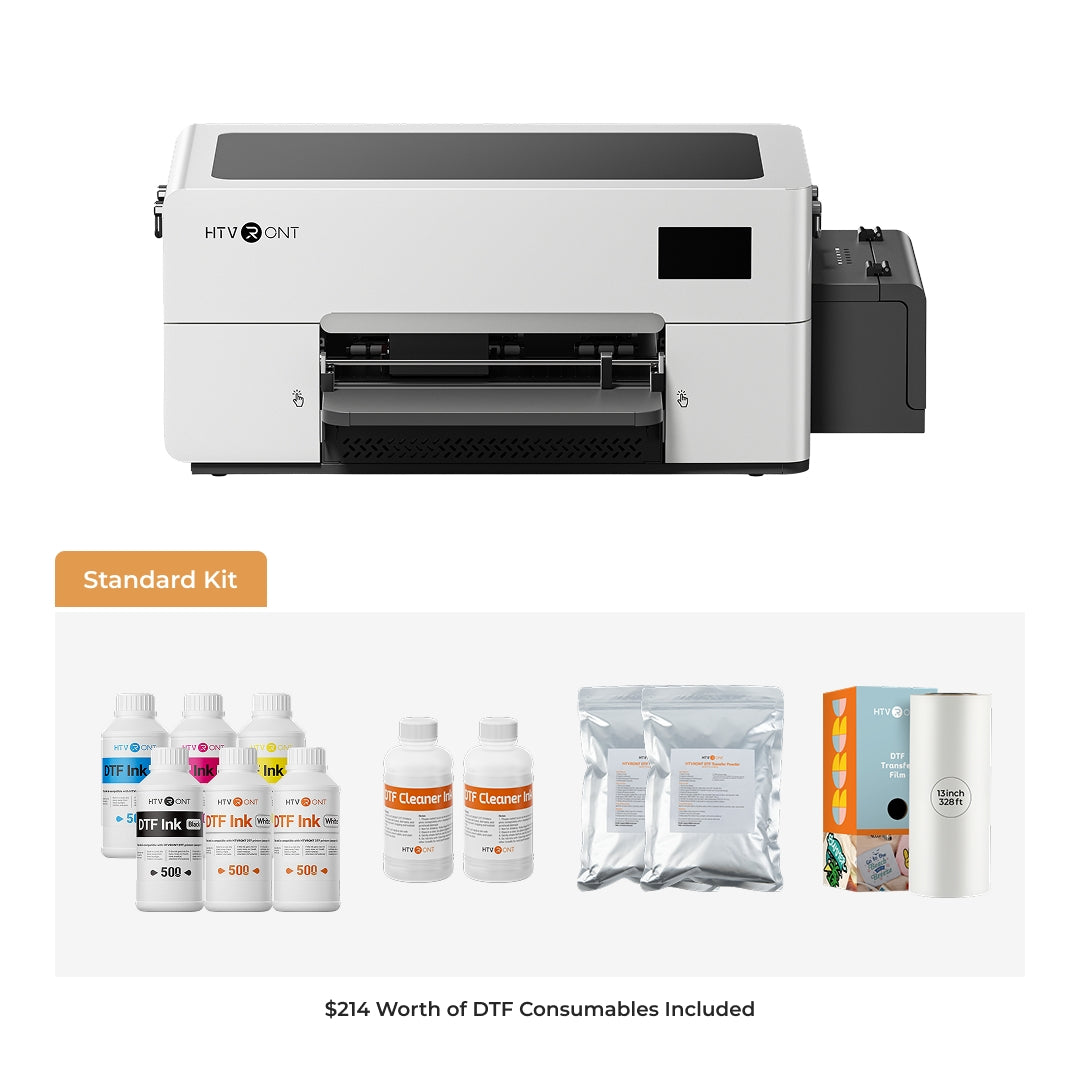
The hardware pitch is blunt: a standalone reader that authorises a sale without pairing to a smartphone that has already died behind the counter. I am naming two products and then stopping. The compact unit is the myPOS Go 2. It ships with a data SIM for mobile networks plus Wi-Fi, and the notes I read still limited that Wi-Fi to the 2.4 gigahertz band, so a dual-band café router is not a promise that the five-gigahertz radio will talk to it. Offline mode stores a sale locally and tries again when the signal returns. Useful on a stall. Reckless if you treat an unconfirmed beep as cash in the tin.
The other named option is myPOS Glass, which turns a compatible phone into a contactless reader so you skip a second gadget. Everything else in the shop — printer-equipped counters, mid-size handhelds, rental versus purchase — lives on the live country catalogue and moves with promotions. I am not freezing a euro figure. You can order plastic before the file is approved. You cannot take a live card until the merchant wallet is verified. Chip and PIN, magstripe, and phone-wallet taps are the usual methods. Receipts go out as SMS or email; some larger units add thermal paper. Refunds, voids, tips, and payment requests sit in the software. None of that replaces the KYC queue.
Who this stack is actually built for
The honest fit is a small operator whose problem is cash-flow, not an overdraft. A market trader who wants Saturday takings spendable before the van is packed. A food truck that refuses to babysit a clip-on dongle. A mobile hairdresser, a pop-up clothes rail, a tiny web shop that later wants the same wallet for a payment link. You get hardware with a SIM included and no monthly retainer while the stall is shut. You accept that the IBAN is Irish e-money, and you keep a conventional bank for tax, wages, and the landlord who still rejects the prefix.
If that picture is not your Tuesday, stop here. The rest of the page is a map of fees, safeguarding, and checkout questions, not a pep talk. I would rather you leave the plastic on the shelf than treat a three-second clock as a personality trait.
- Market traders, food trucks, and pop-up retail that need takings spendable the same afternoon
- Mobile services — hair, repairs, home visits — that cannot wait on a phone-dongle to stay alive
- Tiny web shops that want one wallet for a counter beep and a remote payment link
- Teams that can live with an Irish e-money IBAN and will keep a real bank for tax and wages
- Anyone who wants included connectivity and no monthly retainer while the stall is closed
Read the live myPOS tariff before you order plastic Open the current European fee page for your country and card mix, then decide whether a compact reader or a phone tap even belongs in the bag.
Fees in words, then the live page
The wallet is sold as free to open, free of a monthly retainer, and free of a lock-in term. Cost shows up when a sale goes through: a percentage that moves with the method, plus a small fixed slice. UK-facing public pages have floated a sample near one point one percent and a few pence. That sample is a finger, not a contract. Hardware is a buy-out or a rental on the country shop; I will not invent a tag. Quiet weeks, a compact reader often sits in a modest three-figure euro neighbourhood — then the live price wins. Cash from an ATM, a spare debit card, and a wire out of the wallet are extras. The hop from an authorised sale into the myPOS balance is advertised without a second payout charge. Instant in that wallet is still not instant onto a salary account at another bank.
The fee is a cut plus a sliver. A sliver. That is the honest version. High-street acquirers can still win on a blended rate once monthly volume is ugly. myPOS wins when you are closed on Tuesdays and refuse to pay a retainer for a silent terminal. I did not find a frozen all-country grid on 27 September 2026 that I would trust in print. If a later screenshot claims a different headline cut, treat the unpublished page as unpublished until you can open it yourself.
Where the money sits after the beep
On the Irish site the number you receive is an IE IBAN, with room for about a dozen currencies including sterling and Swiss francs. You can shuffle balances between those wallets, fire a same-network hop to another myPOS user, or pay a supplier over SEPA instant or SWIFT. Statements come out as PDF, Excel, CSV, or the old MT940 file bookkeepers still request. Several logins can share one merchant with different rights. None of that is a loan. None of it is a savings product. None of it is an investment pot. This article is not investment advice. Leave a working float if you must. Do not treat the balance as a place to store a winter's takings.
Safeguarding is the paragraph most owners skip. Client money is meant to sit in designated segregated accounts at eligible banks, held so the firm cannot lend it or punt it on its own book. That is how an EMI is supposed to ring-fence client money. It is not the window sticker a Belgian or German deposit scheme puts on a current account. If your policy demands a statutory guarantee on the overnight pile, keep a conventional business bank and treat myPOS as a rail you sweep. I think of the wallet as a bus shelter for cash-flow. You wait there out of the rain. You do not move in.
How buying and switching it on actually run
Turning the stack on, as the public help pages still describe it, is unglamorous. Open the free profile in the app. Sit through a live camera check with a real passport or driving licence — scans of photocopies stall the file. Wait while a person reads the packet. Then pair the reader and the complimentary business debit card. How long that wait lasts depends on how complete the papers are and what you sell. Categories that every electronic-money firm treats as higher risk get a slower look or a no. Buying the plastic first does not jump the queue.
Eligibility copy on Irish pages still talks like the UK in places: self-employed people, sole traders, limited companies, LLPs registered with Companies House. Your local signup will ask for the papers that match your legal form. Hold a conventional bank under your own name for payroll, tax filings, and any payee that still rejects an e-money IBAN. Some rent collectors, energy firms, and public offices still bounce that prefix. The bounce belongs to the licence type. It is not a bug in the app, and a support chat will not rewrite a utility's payer list.
- Read the live country tariff for your card mix before you click buy on hardware
- Open the free profile and finish the live-camera check with original photo ID
- Wait for the file to clear; do not promise customers a live reader the same afternoon
- Pair the approved wallet to the reader and the complimentary debit card
- Test the included SIM against café Wi-Fi on the pitch itself, not only at the kitchen table
- Move large overnight piles to a deposit-protected bank if that is your cash policy
- Use offline storage as a last resort, not as a belief that every parked sale will later clear
When the stall grows a web shop
You do not have to add a second acquirer the week you put up a cart. Hosted checkout and shopping-cart plugins sit on the same wallet. Payment links and on-page buttons cover invoices and social posts that never become a full storefront. QR codes sit in that family. Keyed-in cards from a phone or email — the mail-order and telephone path — carry a different fraud shape than a chip at the counter, so expect a tighter watch and keep the order paper. A remote entry is not a toy. A customer can still dispute a sale after the three-second hop. The clock starts when the card is authorised, not when the argument ends.
I am not walking the developer side doors or the affiliate programme. The job is still: take a card, settle fast, spend or sweep. If a later feature page promises something the contract does not price, treat it as unpublished. A banner is not a rate.
> Use myPOS as a till that pays you in seconds into an Irish e-money IBAN, with a standalone reader that does not lean on your phone. Do not use it as a bank, as deposit insurance, or as an excuse to skip the live tariff against other EU acquirers. > > — Marcus Chen
Who should walk past the shop window
Walk on if you need a full business current account, if you need to originate local direct debits as a bank would, or if every overnight euro must sit under statutory deposit protection. Walk on if you ship later and cannot staff disputes. Walk on if “free wallet” sounded like free acquiring — each successful card still takes a percentage plus a small fixed slice. A high-street acquirer can still beat a headline sample once monthly volume is large enough for a blended rate. Need a credit line against the float? That conversation does not live here.
Limitations sit in the licence, not in a hidden settings toggle. Some counterparties will bounce an EMI IBAN. Offline mode can store a sale that later fails. The compact reader's Wi-Fi band may ignore the radio your café is proud of. Photocopies of ID stall verification. High-risk categories get a slower file or a no. Instant inside myPOS is not instant onto payroll at another bank. I would rather list those limits in plain speech than dress them as edge cases.
FAQ: banks, clocks, and checkout questions
Is myPOS a bank?
No. myPOS Limited is an EMI, not a credit institution. The Dublin company can issue e-money and take card payments under an Irish authorisation that passports around the EEA. It cannot collect deposits the way a credit institution does, and it does not run a lending book on your merchant float. If a form asks for your bank, write the payment institution and licence C475122, not a pretend high-street name.
How fast do card payments arrive?
Authorised sales are said to land in the merchant wallet in a few seconds. The public figure is three seconds, with no extra charge for that internal hop. The timer starts after the card is approved. Moving money from the wallet to an outside bank then follows SEPA or SWIFT clocks and whatever the tariff lists that week. A same-network hop to another myPOS user is a different pipe. Do not tell a supplier the money is already at their bank if their account sits at a different institution.
Do I pay a monthly fee for the wallet?
The published story is no opening charge, no monthly service charge, and no lock-in on the wallet itself. You pay when a sale succeeds. You may also pay for extras: a spare card, cash from an ATM, or a rented reader. Hardware itself has a buy-out or rental tag on the shop. Open this week's country tariff instead of trusting a screenshot from last year.
Which cards and wallets does a terminal take?
Hardware pages I opened name the usual card schemes — Visa and Mastercard, plus Maestro and American Express — along with contactless, Apple Pay, Google Pay, other NFC wallets, and magstripe where that rail still exists. Which schemes you actually get can still shift with merchant category and country. If Amex or a domestic debit rail matters to your average ticket, check the live country page and the signed terms, not a banner. I did not invent a scheme the country shop does not list.
Can I accept payments without a website?
Yes. Links, QR codes, and the virtual terminal exist for that. A physical reader still needs the verified wallet. A phone-only Glass path still needs the same identity check. Typing a card from a message raises fraud and dispute risk next to a chip-and-PIN sale at the till, so keep the order paper and do not treat a link as safer than a tap.
What if I leave a large balance sitting overnight?
The money is meant to sit in safeguarded segregated accounts, not as a deposit at a credit institution. That is real ring-fencing. It is not statutory deposit insurance. If your cash policy requires the guarantee sticker, sweep to a conventional business bank after the day closes. Leaving a working float for the next stall is a choice. Leaving a season's takings because the app looks tidy is a different choice.
Can I buy a terminal before I am verified?
You can place the hardware order. Live cards stay blocked until the merchant file is approved. Pairing happens after review. If you promised a Saturday market you have not identified for yet, that is on your calendar, not on the courier. Build in time for a live camera session and a human look at what you sell.
Start the myPOS identification, then pick hardware Create the free profile, finish live-camera ID with original documents, and only then compare a compact reader against a phone tap using the fee page for your mix.
What I would do with a weekend float
If I ran a Saturday stall that already cleared ordinary merchant underwriting, I would treat myPOS as the till and the sweep rail, not as the place tax and rent live. I would finish identification before the reader arrives. I would test the included SIM on the actual pitch. I would read the live tariff for my mix instead of a remembered sample. I would keep the conventional bank. I would not move in to the bus shelter. That is the whole review, said without a trophy slide.